The Supreme Court’s Decision on Birthright Citizenship: A Constitutional Showdown
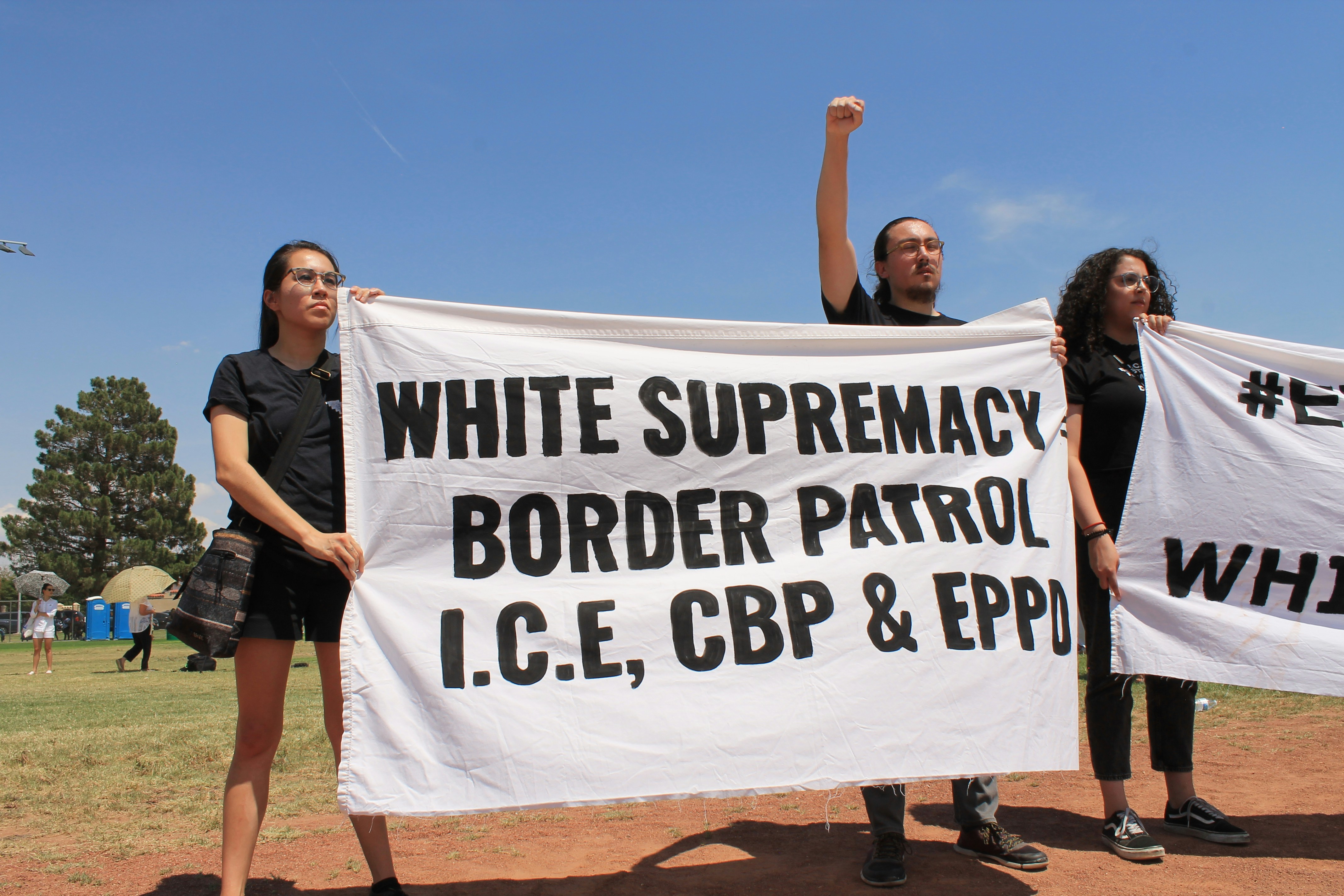
Photo by Christian Lue on Unsplash
Understanding Birthright Citizenship
Birthright citizenship, a principle enshrined in the United States Constitution, is defined as the automatic granting of citizenship to individuals born within the territory of the country. This concept has its roots in the 14th Amendment, ratified in 1868, which established that “all persons born or naturalized in the United States, and subject to the jurisdiction thereof, are citizens of the United States.” This legal framework was primarily designed to ensure that formerly enslaved individuals and their descendants received full citizenship rights, marking a significant step forward in the fight for equality.
The interpretation of birthright citizenship has, for many years, been widely accepted as a cornerstone of U.S. immigration policy. By conferring citizenship based purely on the location of birth, this doctrine fosters a sense of belonging and a unified national identity, irrespective of the immigration status of the parents. Over the decades, court rulings and legislative measures have consistently upheld this principle, reinforcing that children born in the U.S. are citizens, which has shaped the laws governing immigration and naturalization.
As immigration patterns have evolved, the implications of birthright citizenship have become increasingly significant. The principle has contributed to the demographic diversity of the nation and has enabled countless families to establish roots in the U.S. The potential restriction or alteration of this constitutional right raises critical questions about the future of immigration laws and the status of individuals born to undocumented immigrants. Such changes could not only impact millions of individuals but could also redefine the very fabric of American society, stemming from its foundational ideals of equality and inclusion.
The Executive Order and its Legal Challenges
In 2019, President Trump’s administration introduced an executive order aimed at curtailing birthright citizenship, a policy that has historically granted citizenship to individuals born on U.S. soil, regardless of their parents’ immigration status. The administration argued that this modification was necessary to prevent what they described as “birth tourism,” where individuals would come to the United States solely to give birth, thus securing citizenship for their offspring. The implications of this executive order were far-reaching, igniting significant debate across the political spectrum.
Upon its announcement, the executive order faced immediate legal scrutiny. Numerous advocacy groups and state attorneys general launched challenges against the directive, arguing that it violated the Citizenship Clause of the Fourteenth Amendment. Critics contended that the Constitution explicitly guarantees citizenship to anyone born in the United States, and therefore, the executive order represented an overreach of presidential power. The legal arguments rested on historical precedents that have long interpreted birthright citizenship as a cornerstone of American law.
In subsequent court rulings, lower courts consistently ruled against the administration’s executive order. Judges noted that the language of the Constitution was clear and that any changes to citizenship policies would require congressional action rather than unilateral executive decree. Importantly, these rulings highlighted arguments surrounding the potential social ramifications of abolishing birthright citizenship, including the destabilization of families and communities across the country. Many argued that restricting birthright citizenship could violate fundamental human rights principles. As the legal challenges unfolded, it became apparent that the battle over birthright citizenship would continue to play a pivotal role in the national conversation surrounding immigration and constitutional rights.
Supreme Court Involvement and Implications
The U.S. Supreme Court’s involvement in the debate surrounding birthright citizenship marks a pivotal moment in the nation’s ongoing discourse about immigration policy. Recently, the Court agreed to hear cases that scrutinize the legality of citizenship laws, which could reshape the landscape of how birthright citizenship is defined and applied in the United States. This decision to take on such contentious cases indicates the judiciary’s recognition of the importance and complexity surrounding this issue.
The implications of the Supreme Court’s ruling on birthright citizenship are profound. Should the Court lean towards restricting or altering the current interpretation of the 14th Amendment, which guarantees citizenship to those born on U.S. soil, the repercussions could ripple throughout various sectors, including education, healthcare, and social services. Such a ruling could challenge the long-standing precedent that has historically defined citizenship rights and provoke a re-examination of immigration laws at both federal and state levels.
Moreover, the Supreme Court’s recent ruling concerning nationwide injunctions has set a precedent that may be critical in addressing future challenges to policies regarding birthright citizenship. As courts examine the constitutionality and administrative implications of potential legislative changes, the Supreme Court’s interpretation will likely shape lower court decisions. This context culminates in a comprehensive evaluation of how birthright citizenship will be treated moving forward.
In essence, the stakes are high as the Supreme Court prepares to deliberate on a matter that not only affects thousands of individuals but also tests the boundaries of constitutional rights and state authority over immigration. The outcome of this significant case could provide clarity or further complicate the existing framework surrounding birthright citizenship in the United States.
Future of Birthright Citizenship in America
The Supreme Court’s imminent decision regarding birthright citizenship carries significant implications not only for immigration policy but also for the social fabric and identity of America. Should the Court uphold the executive order that seeks to limit birthright citizenship, it could pave the way for considerable shifts in how citizenship is defined in the United States. Conversely, striking down the order may reinforce the established principles that have long governed citizenship rights for children born on U.S. soil, regardless of their parents’ immigration status.
Experts predict that an upholding of this order may catalyze broader immigration policy reforms. Such reforms could include more restrictive measures aimed at curbing the perceived incentives for illegal immigration, particularly within families seeking to secure citizenship for their children. This may fuel debates over the Fourteenth Amendment’s interpretation and whether there is a need for legislative amendments to address this evolving issue of birthright citizenship. Additionally, commentators suggest that this could escalate polarization in society, igniting fierce discussions about national identity and what it truly means to be an American.
On the other hand, striking down the executive order would reaffirm the traditional understanding of birthright citizenship as a fundamental right. This decision could usher in a period of stability in immigration policies, restoring confidence in the legal protections afforded to all individuals born in the U.S. Moreover, it may prompt a movement toward comprehensive immigration reform, where lawmakers might consider a balanced approach to new regulations without undermining the rights of those born in the country.
Ultimately, the ramifications of the Court’s decision will extend beyond mere legal interpretations. They will resonate deeply within the societal and political landscapes, influencing American identity and the narrative surrounding citizenship in an increasingly diverse nation. Legal analysts predict that this decision could be a pivotal moment in defining the future of birthright citizenship in America, setting a precedent for how immigration will be understood for generations to come.