Tragic Crash of KC-135 Refueling Aircraft in Iraq: A Detailed Account
Introduction
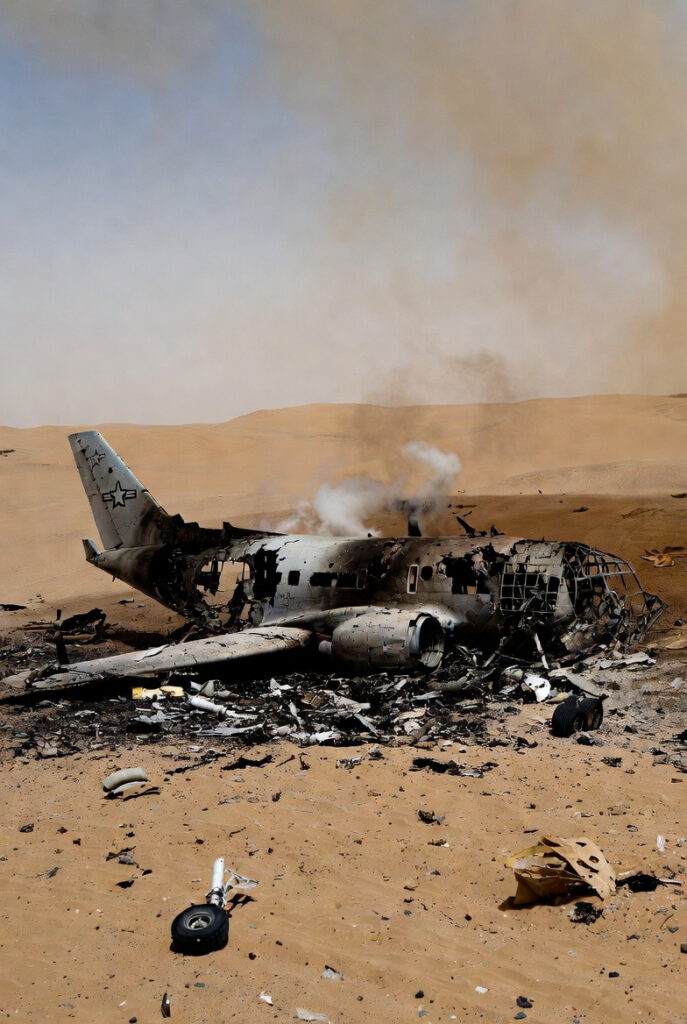
The tragic crash of a KC-135 refueling aircraft in western Iraq on March 12, 2026, marks a somber moment in military aviation history. This incident serves as a reminder of the inherent risks faced by military personnel during operations and highlights the critical role that aerial refueling plays in modern warfare. The KC-135 Stratotanker, designed to extend the reach of combat aircraft by providing mid-air refueling, has been a cornerstone of the United States Air Force’s operational capabilities for decades. The loss of this aircraft underscores not only the challenges associated with sustaining military missions but also the profound human cost involved.
The crash resulted in the tragic loss of six crew members, whose dedication to service and commitment to their mission will be remembered by their families, colleagues, and the nation. These airmen were engaged in a critical operation, supporting ongoing military efforts in the region, where air power is essential to maintaining security and operational effectiveness. Each personnel lost in this tragic event served with honor, underscoring the sacrifices made by members of the military every day.
This blog post aims to provide a detailed account of the KC-135 incident, shedding light on the events leading up to the crash, the immediate aftermath, and the broader implications for military operations. It is crucial to remember these brave individuals and the circumstances that led to this heart-wrenching event while recognizing the importance of continuous efforts to ensure the safety and efficiency of military missions. Through this exploration, we honor their memory and highlight the significance of advancements in aviation safety and operational protocol.
The Incident Overview
The tragic incident involving the KC-135 refueling aircraft occurred on [insert specific date and time], during a critical phase of military operations in Iraq. This aircraft, part of the United States Air Force, was engaged in support of Operation Epic Fury—a military campaign aimed at destabilizing Iranian influence in the region. The crash took place in [insert specific location], an area known for its complex operational challenges, particularly given the ongoing tensions surrounding U.S. and Israeli military actions against Iran.
On that fateful day, the KC-135 was executing a routine mission to provide aerial refueling capabilities to combat aircraft involved in ongoing strikes. The operational importance of the KC-135 cannot be overstated, as it plays a crucial role in extending the range and endurance of military missions. Unfortunately, something went drastically wrong, leading to the aircraft’s unfortunate demise.
In the context of heightened military activities, both the U.S. and Israel had escalated their operations, utilizing airpower to counter perceived threats from Iran and its proxies. This incident not only underscores the hazards faced by military personnel operating in hostile environments but also reflects the broader geopolitical landscape, where strategic objectives often collide with the realities of warfare. The loss of the KC-135 refueling aircraft serves as a sobering reminder of the inherent risks involved in airborne operations.
As investigations into the crash continue, all eyes remain on the implications of this tragic event—not only for operational protocols but also for the overarching military strategy in the region. The full impact of the KC-135 incident will likely resonate beyond the immediate aftermath, affecting both military policy and international relations in the context of U.S.-Iran dynamics.
Details of the Crash
The tragic incident involving the aerial refueling operations took place in the skies over Iraq when two KC-135 Stratotanker aircraft engaged in a midair collision. These aircraft are vital for extending the operational range and endurance of military aviation units. On the day of the accident, both KC-135s were on a routine mission to refuel combat aircraft that were conducting operations in the region.
The mission was critical, as it allowed for continued support to ground forces engaged in combat. The first KC-135 was in the process of refueling multiple aircraft when it collided with the second tanker, which was approaching to begin its own aerial refueling sequence. Details emerging from the incident indicate that the collision occurred at high altitude, leading to severe damage to both aircraft.
Witnesses describe the moment as chaotic, with debris scattering from the aircraft, and there were immediate concerns about the fate of both flight crews. The pilot of the second KC-135, despite sustaining significant damage, demonstrated exceptional airmanship. Utilizing emergency protocols and employing critical situational awareness, he managed to stabilize the aircraft following the impact.
Remarkably, the pilot successfully executed an emergency landing at a nearby airbase, averting a further tragedy. Although the aircraft was heavily damaged, the skillful flying ensured the safety of the crew, a testament to their training and the capabilities of the KC-135. Recovery efforts were swiftly initiated for the first aircraft, while subsequent investigations aimed to uncover the contributing factors leading to the collision and ensure that such incidents are prevented in the future.
Casualties and Recovery Efforts
The tragic crash of the KC-135 refueling aircraft in Iraq resulted in the loss of all six crew members, each of whom was fulfilling their duties in a critical mission for military operations. The incident underscores the inherent risks associated with aviation in high-stakes environments, particularly in conflict zones. Initial reports indicated that four of the crew members were located deceased in the wreckage, leading recovery teams to conduct an extensive search operation for the remaining personnel. The challenging terrain and the need for safety measures prolonged the recovery efforts, reflecting the complexities faced during such operations.
As rescue teams worked diligently to secure the site of the crash, the situation escalated when it became evident that the initial hopes of finding survivors were unfounded. After thorough examinations of the crash site and the wreckage, it was confirmed that no one had survived the accident. This heartbreaking revelation was followed by the responsibility of notifying the next of kin, a protocol that is handled with utmost sensitivity and care in military operations. Notifications were executed with respect, ensuring that family members were given immediate support and information regarding the incident.
The loss deeply affected both the military community and the families of those aboard the aircraft. Recovery efforts not only involved physical retrieval but also extended to encompass emotional support for the bereaved. The commitment to honoring the memory of the lost crew is reflected in the ongoing support services provided for families who have faced the tragic reality of such unforeseen events.
CENTCOM’s Response and Investigation
U.S. Central Command (CENTCOM) has released a series of statements regarding the tragic crash of the KC-135 refueling aircraft in Iraq. Upon investigation of the event, CENTCOM emphasized that the tragic loss of life was not attributed to hostile fire, nor was it the result of friendly fire. This clarification was made to dispel immediate concerns about the safety of U.S. forces operating in the region, particularly amidst ongoing conflicts that have raised alarms about the potential for ground-to-air attacks.
CENTCOM is committed to a thorough investigation into the circumstances surrounding the incident. Initial assessments suggest that mechanical failure may have played a significant role, although the investigation is still ongoing and definitive conclusions are yet to be reached. Officials have stated that they aim to conduct an exhaustive inquiry to ensure that all aspects of the incident are scrutinized, allowing them to identify any possible contributing factors to the crash.
The investigation will include a detailed analysis of maintenance records, pilot training requirements, and communications prior to the crash. CENTCOM has assured the public and the families affected by the tragedy that transparency is a priority, and findings will be shared as they become available. Moreover, CENTCOM is working alongside various military and investigative agencies to ensure that all necessary data is collected and analyzed comprehensively.
As the situation develops, it is crucial for CENTCOM to maintain open lines of communication with both military personnel and the families of the victims. By keeping all stakeholders informed, CENTCOM aims to foster a better understanding of the tragic loss and to reinforce safety measures for ongoing and future missions in Iraq and beyond.
The KC-135 Stratotanker: Role and Importance
The KC-135 Stratotanker has served as a vital component of the United States Air Force since its introduction in the 1950s. Designed primarily for aerial refueling, this aircraft has played a crucial role in extending the operational range of various military aircraft, including fighter jets and bombers. By enabling air-to-air refueling, the KC-135 has allowed these planes to stay airborne longer, thus enhancing mission capabilities across diverse operational theaters.
The aircraft’s design incorporates a distinctive fuselage and wing-mounted fuel tanks, which are utilized to transfer fuel to receiving jets in flight. This unique capability significantly improves strategic advantages, allowing U.S. forces to conduct operations with improved efficiency and effectiveness. The Stratotanker is compatible with a wide array of military aircraft, ensuring versatility across mission profiles, whether in combat or during training exercises.
Since its inception, the KC-135 has proven instrumental in various conflicts, bridging the gap between air superiority and logistical support. Its adaptability has kept it relevant amidst modern advancements in aviation. While newer aircraft, such as the KC-46 Pegasus, have begun entering service, the KC-135 remains a reliable workhorse in the Air Force’s inventory, often deployed in support of NATO missions and U.S. operations worldwide.
The operational significance of the KC-135 cannot be overstated, as it has transformed the landscape of aerial combat. By facilitating prolonged missions, it empowers fighter and bomber aircraft to engage targets more effectively, conducting strikes deep into enemy territory. As military conflicts continue to evolve, the enduring legacy of the KC-135 Stratotanker exemplifies its importance in maintaining U.S. airpower and strategic dominance across the globe.
Impact on U.S. Military Operations
The tragic crash of the KC-135 refueling aircraft in Iraq has far-reaching consequences on U.S. military operations, particularly in the context of the ongoing tensions with Iran. This incident not only raises immediate concerns regarding operational safety but also casts a shadow over U.S. morale and strategic planning in the region. The loss of skilled personnel and advanced military technology can disrupt the effectiveness of refueling capabilities that are crucial for sustaining air operations in hostile environments.
In the broader scope of U.S. military actions, this tragedy highlights the increasingly perilous landscape that American forces navigate in Iraq and surrounding areas. With the tally of military casualties rising, it may influence military leadership’s approach to engagement strategies and tactical operations. Commanders might be compelled to reassess their risk calculus, particularly concerning air operations that depend on aerial refueling, leading to potential adjustments in mission objectives and execution timelines.
Moreover, the psychological impact on service members cannot be understated. Incidents such as this can lead to heightened anxiety and decrease overall morale, which is crucial for operational effectiveness. A perception of increased danger may instill a sense of vulnerability among troops, potentially affecting their readiness and commitment to ongoing missions. This psychological toll could necessitate the implementation of additional support systems for soldiers, aimed at mitigating the emotional aftermath of such incidents.
As the U.S. continues to engage in complex military operations amidst ongoing instability, the repercussions of this crash extend beyond immediate tactical challenges. The event serves as a poignant reminder of the sacrifices made by service members and the ongoing risks associated with military involvement in volatile regions. Future operations must not only account for the logistical challenges presented by this loss but also address the human element involved in military deployments, ensuring that personnel are adequately supported in both operational and psychological capacities.
A Tribute to the Fallen Service Members
The tragic crash of the KC-135 refueling aircraft in Iraq serves as a poignant reminder of the ultimate sacrifices made by service members in the line of duty. On that fateful day, six brave individuals lost their lives, each driven by a profound sense of duty and commitment to their country. Their dedication not only highlights the risks faced by military personnel but also sheds light on the human cost associated with military operations.
These service members were more than just military personnel; they were sons, daughters, brothers, sisters, and friends. Each one had their unique story, aspirations, and dreams that were cut short in the pursuit of protecting the freedoms and values that many take for granted. Their families are left to navigate the emotional turmoil that accompanies such a devastating loss, forever changed by the absence of their loved ones.
The impact of this tragedy extends far beyond the immediate circle of family and friends. Communities are also affected, as local populations come to terms with the reality that their heroes are gone. Public memorials and private ceremonies offer a space for mourning and reflection, allowing those affected to honor the memory of the fallen service members. Such tributes remind us that behind every statistic of military loss lies a human story, deserving of recognition and remembrance.
In acknowledging the sacrifices of these six individuals, we reinforce our collective responsibility to support their families who bear the emotional scars of this loss. The resilience and bravery exemplified by these service members inspire a continuous reflection on the value of service and the profound implications of military engagement worldwide.
Conclusion
The tragic crash of the KC-135 refueling aircraft in Iraq serves as a somber reminder of the sacrifices made by military personnel in service to their nation. This horrific event not only resulted in the loss of lives but also highlighted the inherent risks faced by those involved in operations that extend far beyond the battlefield. It stands as an illustration of the often-unseen complexities of modern military engagements, where technological advancements intersect with unpredictable environments.
As we reflect on the incident, it is crucial to acknowledge the individuals who serve in the armed forces and the families that support them. Each service member’s commitment exemplifies courage and dedication; it is imperative to honor their contributions, especially in light of tragic occurrences like this one. The heroic efforts of those aboard the KC-135 exemplify the high stakes involved in sustaining air operations, which are vital for contemporary military strategies.
Moreover, this incident underscores the need for continuous evaluation and improvement of safety protocols within military aviation. As the dynamics of warfare evolve, so too must the systems and procedures designed to protect those who operate the aircraft that are indispensable to our military capabilities. Recognizing the intricacies of maintaining operational readiness while ensuring personnel safety is an ongoing challenge for military leadership.
In conclusion, as the military community grapples with this loss, it also reaffirms its commitment to learning from such tragic incidents. By cherishing the memories of those who who served bravely, addressing the challenges posed by modern military operations, and ensuring rigorous safety measures, we honor their legacy. The tragic events surrounding the KC-135 crash remind us of the continuous need for vigilance and respect for the lives entrusted to our defense forces.