Sustainable Elegance: The Rise of Bamboo Home Goods in California
Introduction to Bamboo Home Goods
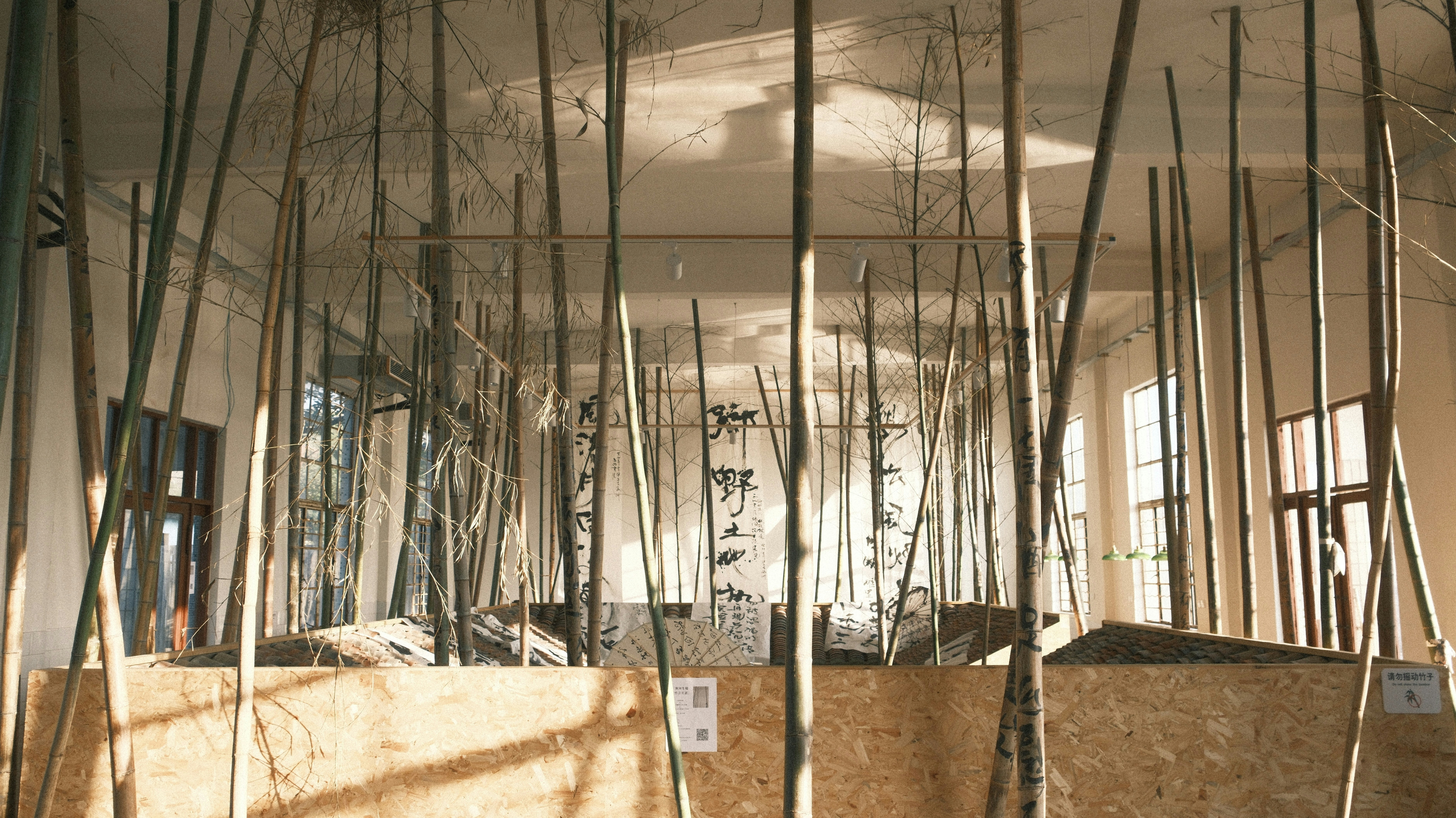
Bamboo home goods have gained significant popularity in recent years, particularly in California, where sustainability is a top priority. As consumers become increasingly aware of their environmental footprint, the demand for eco-friendly alternatives is on the rise. Bamboo, a highly renewable resource, offers a compelling solution for those seeking sustainable living options.
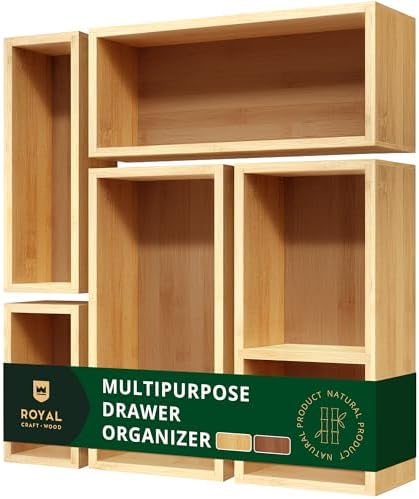

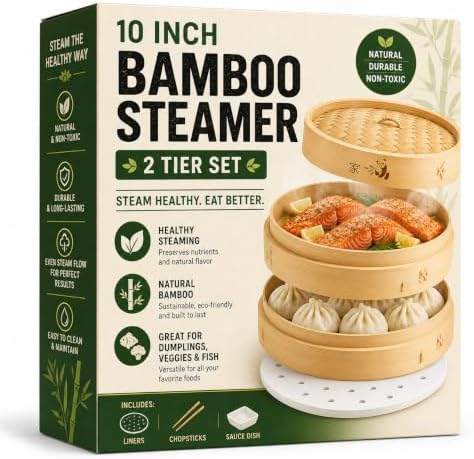
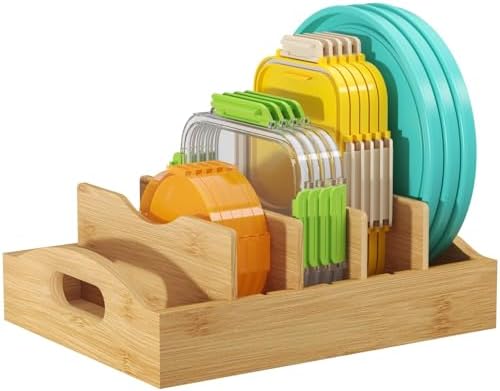
One of the most notable attributes of bamboo is its rapid growth, which makes it an ideal material for the production of home goods. Unlike traditional hardwoods that take decades to mature, bamboo can reach full height in just a few months. This characteristic not only reduces deforestation but also allows for sustainable harvesting practices, further enhancing its appeal as an eco-friendly choice.
The versatility of bamboo extends across a wide array of home products. Consumers can find everything from kitchenware and furniture to bedding and decor. Bamboo towels, for instance, are not only soft and absorbent but also naturally antimicrobial, making them an excellent choice for households. Similarly, bamboo cutting boards are durable and sustainable, providing an eco-conscious option for culinary enthusiasts.
Bamboo furniture has also become a staple in modern designs, combining aesthetic appeal with practical benefits. The unique grain patterns and natural colors of bamboo lend themselves to various styles, from minimalist to bohemian. Additionally, the lightweight nature of bamboo makes it easy to transport and assemble, resonating well with California’s dynamic lifestyle.
Incorporating bamboo home goods into everyday living not only contributes to a sustainable environment but also adds a touch of elegance to interior decor. As awareness of ecological issues continues to grow, bamboo stands out as a responsible choice for those looking to enhance their home while making a positive impact on the planet.
The Environmental Benefits of Bamboo
Bamboo has garnered considerable attention as a sustainable resource, particularly in the realm of home goods. One of the most notable attributes of bamboo is its rapid growth rate; some species can grow up to three feet in a single day under optimal conditions. This impressive growth rate allows bamboo to mature faster than traditional hardwoods, which can take several decades to reach a fully harvestable size. Consequently, bamboo presents a more renewable option for consumers seeking eco-friendly materials for their homes.
Furthermore, bamboo’s cultivation requires significantly less water compared to other crops and wood sources. While trees may need extensive irrigation, bamboo thrives in a variety of soil types and can grow in regions with minimal rainfall. This means that bamboo farming does not place an additional burden on water resources, making it a more environmentally responsible choice. Additionally, once established, bamboo fields can be harvested without the need to replant, allowing the grass to continue growing and maintaining the surrounding ecosystem.
Another compelling environmental benefit of bamboo lies in its ability to absorb carbon dioxide. Bamboo stands can sequester approximately 35% more carbon dioxide than equivalent areas of trees, which makes it a potent ally in the fight against climate change. The rapid growth and substantial carbon uptake contribute to enhanced air quality and a reduced greenhouse gas footprint. Organizations and individuals committed to sustainability can thus view bamboo not only as a versatile material but also as a key component in their environmental stewardship efforts.
These characteristics collectively position bamboo as an advantageous alternative to traditional woods, aligning with evolving consumer demands for sustainable products. By incorporating bamboo into home goods, consumers can make conscientious choices that promote environmental health and demonstrate an appreciation for sustainable practices.
Trends in Bamboo Home Goods
Bamboo home goods have gained significant traction among Californian consumers, driven by both aesthetic appeal and sustainability. One prominent trend is the increasing popularity of bamboo kitchenware. Items such as cutting boards, utensils, and bowls are favored not only for their eco-friendly qualities but also for their durability and unique grain patterns. The natural look of bamboo complements various kitchen designs, from rustic to contemporary, making it a versatile choice.
In addition to kitchenware, bamboo furniture has emerged as a key trend. Many consumers are drawn to bamboo furniture for its lightweight nature and strength. Its organic appearance provides a warm, inviting ambiance, which is ideal for Californian homes that embrace both indoor and outdoor living. Sofas, chairs, and tables made from bamboo often feature sleek lines and minimalistic designs, aligning with the modern design aesthetic that many homeowners seek. The adaptability of bamboo allows it to seamlessly fit into various décor styles.
Another area witnessing a surge in bamboo products is flooring. Bamboo flooring is not only stylish but also boasts eco-friendly credentials, making it an appealing choice for environmentally conscious consumers. The natural variations in color and texture add character to any living space. Moreover, bamboo’s rapid growth rate means that it is a renewable resource, further enhancing its appeal in a state like California, where sustainability is highly prioritized.
As consumers continue to embrace bamboo home goods, we can expect to see an even broader array of products enter the market. Innovations in design and technology are likely to result in customizations that meet individual tastes while maintaining the eco-friendly nature of bamboo. This trend signifies a shift towards more conscious purchasing decisions, reflecting a deepening appreciation for sustainable living.
Local Artisans and Brands in California
California has emerged as a hub for innovative craftsmanship and sustainable products, with many local artisans dedicating their skills to the creation of bamboo home goods. These artisans prioritize sustainability and environmental mindfulness, weaving these values into their craft. Their endeavors illustrate a commitment not only to the art of making but also to the principles of eco-conscious living.
One notable brand is Bamboo Living, which specializes in eco-friendly bamboo homes and structures. Their approach extends beyond mere construction; Bamboo Living integrates the use of renewable resources and energy-efficient designs to reduce environmental impact. Each project reflects a conscious effort to employ sustainable materials while ensuring aesthetic appeal.
Another significant player in the bamboo home goods market is Bamboo Accents, a local company known for its stylish home accessories. They produce a range of items, from kitchen utensils to decorative pieces, all crafted from sustainably sourced bamboo. Their commitment to ethical sourcing is commendable, as they actively collaborate with local farmers, ensuring that their materials are harvested without damaging the ecosystem.
In addition to these established brands, many artisans can be found at local markets and craft fairs across California. They often produce unique, handcrafted bamboo items that showcase traditional techniques and modern designs. These artisans contribute to their communities by promoting sustainable practices, educating consumers about the benefits of bamboo, and providing handmade alternatives to mass-produced home goods.
The craftsmanship displayed by these local businesses in California not only supports a burgeoning market for sustainable products but also highlights the environmental benefits of bamboo. By choosing bamboo home goods, consumers are investing in craftsmanship that respects and preserves the planet while enhancing their living spaces with elegant, eco-friendly design.
Bamboo Versus Traditional Materials
When considering home goods, the choice of materials is crucial not only for aesthetic appeal but also for longevity and environmental stewardship. Bamboo, a fast-growing grass, has gained attention as a sustainable alternative to traditional materials such as plastics and hardwoods. This section will analyze the properties of bamboo in comparison to these conventional choices, focusing on durability, cost-effectiveness, and environmental impact.
In terms of durability, bamboo is often touted for its strength and resilience. It has a tensile strength comparable to steel, making it an incredibly robust option for furniture and flooring. Unlike traditional hardwoods that can be susceptible to warping and cracking, bamboo tends to maintain its form under a variety of conditions. Furthermore, bamboo’s natural resistance to pests and mold makes it a practical choice for households, reducing the need for harmful chemical treatments.
Cost is another critical factor when comparing bamboo to other materials. While initially, bamboo products may seem slightly higher in price than their plastic counterparts, they offer greater value over time due to their durability. Traditional hardwoods, on the other hand, can come with significant upfront costs and require extensive maintenance, adding to their life cycle expenses. Bamboo’s rapid growth and renewability allow it to be produced more sustainably and often at a lower price compared to the long harvesting cycles of hardwood trees, making it an economically suitable option for many consumers.
Environmental impact plays a decisive role in today’s consumer decisions. Bamboo is recognized for its low environmental footprint. It absorbs more carbon dioxide and releases more oxygen compared to hardwoods, contributing positively to the environment. In contrast, traditional plastic products often involve non-renewable resources and result in long-lasting waste, harming ecosystems. Thus, the choice of bamboo not only reflects a trend toward sustainability but also promotes responsible consumption habits.
In conclusion, the comparison of bamboo with traditional materials like plastic and hardwood reveals distinct advantages in durability, cost-efficiency, and environmental sustainability. With growing awareness, bamboo home goods represent a favorable and responsible choice for environmentally-conscious consumers in California and beyond.
Decorating with Bamboo: Style Tips
Bamboo home goods have gained popularity for their sustainability, durability, and aesthetic appeal. Incorporating bamboo into your interior design can enhance various styles, from modern to rustic and minimalist themes. Here are some practical tips on how to stylishly integrate bamboo elements into your living space.
For a modern design approach, focus on sleek and clean lines. Opt for bamboo furniture such as coffee tables or shelving units that have a minimalist design. Light-colored bamboo pieces can create a fresh and airy feel, especially when paired with neutral colors like white or gray. To add a touch of elegance, consider bamboo light fixtures; their natural glow can complement modern accessories like glass or metal accents, creating a harmonious balance.
If you lean towards a rustic style, bamboo can be used to evoke warmth and natural charm. Incorporate bamboo in the form of woven baskets, which serve as both decorative and functional pieces. Depending on your preference, you may choose unfinished bamboo items that showcase their organic texture, helping to create a cozy atmosphere. Adding bamboo wall panels or artworks can introduce earthy tones and patterns, enhancing the rustic ambiance.
The minimalist theme emphasizes simplicity and functionality, making bamboo a perfect choice. Select multifunctional bamboo items, such as nesting tables or foldable chairs, which can be easily stored when not in use. Keeping the color palette muted allows the natural beauty of bamboo to take center stage. Pair bamboo pieces with greenery or indoor plants to bring life to a minimalist space and further accentuate the beauty of natural materials.
Incorporating bamboo home goods into your designs can complement and enhance various styles. By thoughtfully selecting bamboo elements that resonate with your interior aesthetic, you can achieve a balanced and visually appealing space, while also promoting sustainability in your home.
Consumer Awareness: Sourcing Bamboo Products
In an age where sustainability is becoming increasingly important, consumer awareness surrounding the sourcing of bamboo products is crucial. Bamboo serves as a remarkable alternative to traditional materials due to its rapid growth and minimal environmental impact. However, not all bamboo products are created equal; understanding how to identify high-quality bamboo goods is essential for consumers.
Firstly, when purchasing bamboo products, consumers should look for certifications that indicate the sustainability and ethical practices behind the product’s creation. One of the most recognized certifications is the Forest Stewardship Council (FSC) label. This certification ensures that the bamboo has been harvested responsibly, with an emphasis on environmental conservation and social equity. Additionally, products that display the Global Organic Textile Standard (GOTS) certification denote that the bamboo fibers are organic, thus free from harmful pesticides and made in an environmentally friendly manner.
Another important factor to consider is the production process of bamboo goods. Ethical sourcing involves fair trade practices, ensuring that workers are treated fairly and compensated justly. Consumers should inquire about the supply chain associated with their bamboo products, as transparency in production can signal a company’s commitment to social responsibility.
Furthermore, consumers can look for products made from 100% bamboo or those blended with other organic materials, as this typically indicates a higher quality product. Engaging with brands that emphasize their commitment to sustainability through clear messaging, as well as providing information on their sourcing and manufacturing processes, can help consumers make informed decisions.
In summary, identifying high-quality bamboo products involves examining certifications, understanding the production process, and supporting brands that uphold ethical sourcing practices. By prioritizing these aspects, consumers can contribute to a sustainable future while enjoying the benefits of elegant bamboo home goods.
Challenges Facing Bamboo Production
The bamboo industry, while experiencing a notable rise in popularity, particularly in regions like California, faces a multitude of challenges that can impact both producers and consumers. One significant hurdle is the issue of supply chain management. Bamboo, often touted for its rapid growth and renewability, still requires careful cultivation and harvesting methods to ensure sustainability. Disruptions in supply chains can occur due to various factors, including natural disasters, transportation bottlenecks, and even regulatory changes. These disruptions can lead to delays and shortages in the availability of bamboo products, ultimately affecting consumers who seek eco-friendly home goods.
In addition to supply chain challenges, the bamboo industry also contends with fierce competition from other sustainable materials, such as reclaimed wood and recycled plastics. While bamboo has a unique appeal, other materials may offer similar ecological benefits or even cost advantages. For instance, reclaimed wood can be sourced locally, thereby reducing transportation emissions and costs. This competition can exert pressure on bamboo producers to maintain competitive pricing and to demonstrate the distinct advantages of using bamboo over other materials.
Furthermore, the bamboo industry is also challenged by inconsistent quality standards. As this sector grows, a wide range of bamboo products are emerging, but not all adhere to high-quality production standards. Consumers may be drawn to products based on their sustainable credentials, yet encounter variations in durability and finish. Such inconsistencies can lead to dissatisfaction, which ultimately affects consumer trust in bamboo products. Addressing these issues requires a concerted effort from industry stakeholders to enhance quality control processes and improve public perceptions.
These challenges paint a complex picture of the bamboo home goods market. For producers and consumers alike, navigating these obstacles will be essential for fostering the ongoing growth of sustainable bamboo products in California.
The Future of Bamboo Home Goods in California
As consumer awareness of sustainable living alternatives continues to grow, the bamboo home goods market in California is poised for significant transformation. The rise of bamboo as a favored material is not merely a trend; it reflects a crucial shift in values towards sustainability and environmental consciousness. This shift indicates that future innovations in bamboo products will likely cater to the increasing demand for eco-friendly solutions within households.
One potential trend is the development of advanced manufacturing processes that enhance the durability and versatility of bamboo products. Innovations such as bamboo composites or treatments that improve the resilience of bamboo against environmental factors can broaden its application beyond traditional uses. For instance, bamboo may soon find a place in more complex furniture designs or even in building materials, appealing to consumers who prioritize sustainability without sacrificing quality or aesthetics.
Moreover, the integration of technology will likely influence the production of bamboo home goods. Smart home technology combined with natural materials presents a lucrative market opportunity. Imagine a bamboo-based kitchen equipment featuring smart sensors that help reduce energy consumption or monitor food freshness. Such innovations can entice tech-savvy consumers while maintaining the commitment to sustainable materials.
The increasing appeal of sustainable living alternatives among consumers can also drive collaboration across industries. We may witness partnerships between bamboo suppliers and home decor brands, leading to a diverse range of bamboo items that encompass not just functionality, but also aesthetic appeal. As consumers become more informed about the environmental benefits of bamboo, their purchasing decisions will reflect their commitment to sustainability, thereby influencing future market dynamics.
In conclusion, the future of bamboo home goods in California appears promising, driven by innovations that align with the desires of eco-conscious consumers. As the market evolves, bamboo is set to become a mainstay in homes, embodying the principles of sustainability and elegance alike.