Oil Markets Surge as Gulf Attacks and Spill Renew Supply Fears
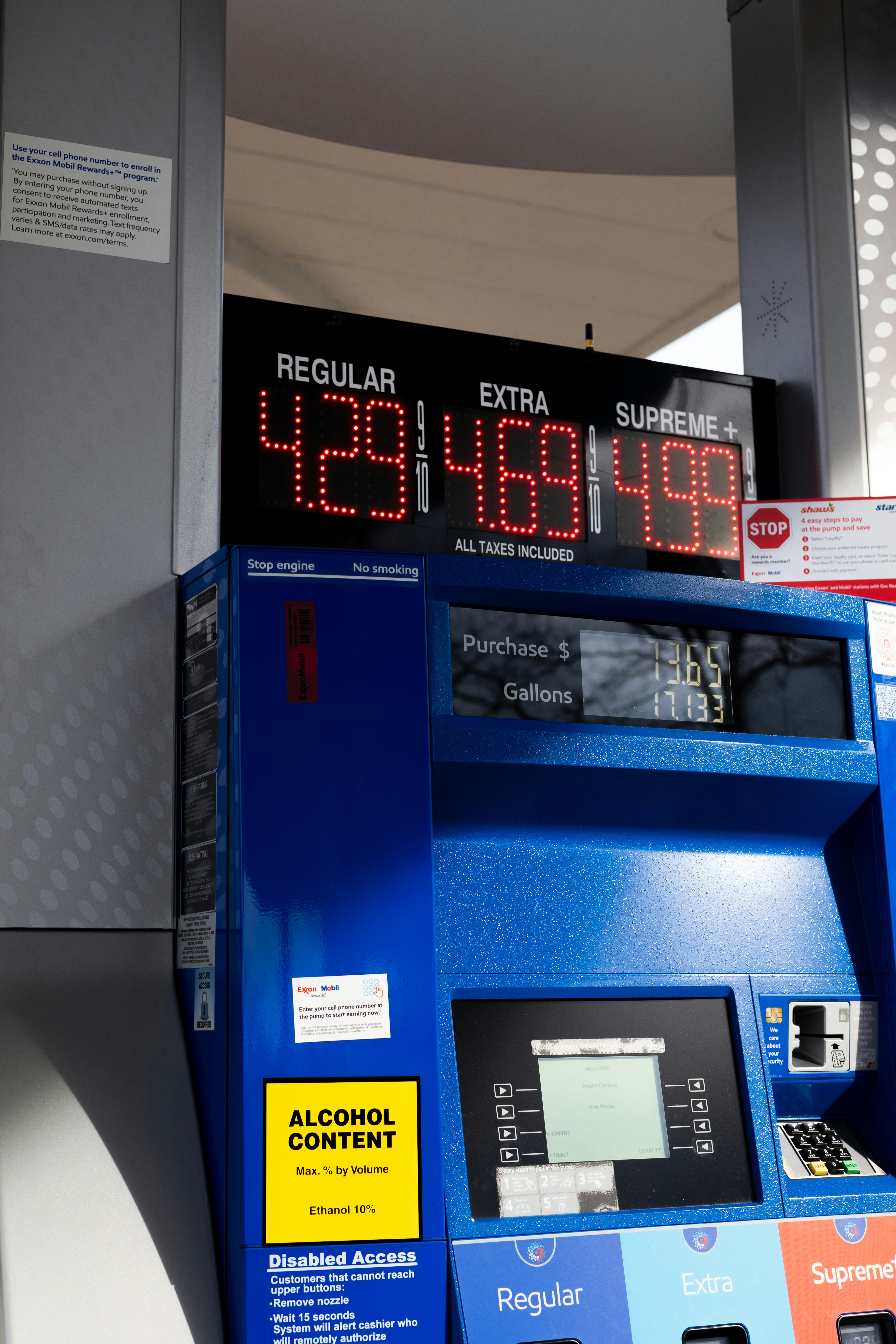
Oil prices climbed sharply during Friday’s reported session, with international benchmark Brent crude rising 1.5% to $114.99 a barrel by 1300 GMT. Earlier in the session, Brent reached $115.16, its highest level since May 4. The move put the benchmark near a multiweek peak and drew attention to renewed concern about the security and reliability of energy supplies. The figures describe trading at that point on Friday, rather than a closing price or a continuing market trend.
U.S. West Texas Intermediate (WTI), the other major crude benchmark, gained 1.8% to reach $101.27 a barrel. Its larger percentage increase reflected a firm advance across both leading benchmarks, even as their price levels remained distinct. Taken together, the gains showed that the session’s concerns were influencing crude markets on both sides of the Atlantic. The reported prices offered a clear snapshot of investor response at 1300 GMT, when traders were assessing the potential consequences of developments in the Gulf.
The rise attracted particular notice because oil prices respond quickly to expectations about whether crude can be produced and transported without disruption. Attacks in the Gulf and a reported spill had raised fresh questions about possible supply risks. Against that backdrop, Brent’s move above $114 and its brief reach of $115.16 underscored how closely market participants were monitoring events that could affect flows. However, the session’s percentage gains alone do not establish the scale or duration of any supply interruption. They indicate that traders placed greater weight on the risk of disruption at that time, while the benchmark’s subsequent direction would depend on further developments and the availability of reliable information.
Reports of Houthi attacks in Saudi Arabia brought renewed attention to the vulnerability of energy infrastructure and shipping routes across the Middle East. Even when the immediate scale and consequences of an incident remain unclear, threats near major producing and transit areas can prompt traders to reassess the risk of disruption. The region plays a significant role in global oil supply, so uncertainty about security may influence prices before any physical shortage is confirmed.
The reports revived concern about whether oil production, export facilities, pipelines, or maritime traffic could be affected. Those possibilities are not the same as evidence that supply has already been interrupted. At the time of the reports, the attacks heightened risk perceptions, but they did not by themselves establish a lasting loss of output or exports. For market participants, the distinction matters: prices can react to the possibility of future disruption even if deliveries continue and facilities remain operational.
A separate development added to the uncertainty. UAE authorities reported an oil spill, creating questions about its location, scale, and potential implications. An environmental incident can require monitoring and response, and its relevance to energy markets depends on factors such as whether nearby operations or transport routes are affected. The spill report should not be treated as part of the Saudi attack reports or as evidence that the attacks caused it. The two events were distinct developments, each contributing in a different way to concerns surrounding the region.
Together, the headlines offered traders reasons to price in greater uncertainty, rather than confirmation of a sustained supply loss. Security risks can raise the perceived likelihood of future disruption, while a spill may prompt questions about local operating conditions. Assessing the market impact therefore requires separating verified consequences from potential ones and tracking updates on production, exports, and transport. Until there is clear evidence of a continuing interruption, these reports are best understood as sources of supply concern, not proof that Middle Eastern oil flows have been materially and persistently reduced.
The Middle East is central to global oil markets because it contains some of the world’s largest producing countries and supplies crude oil to buyers across multiple regions. Its exports support refineries that are configured to process particular grades, while production from the region also contributes to the wider balance between global supply and demand. As a result, changes in perceived access to Middle Eastern oil can matter well beyond the countries directly affected. The region’s role in production, exports, and energy trade means that concerns about supply security can quickly attract attention from refiners, governments, and financial markets.
Oil must move from production sites to terminals, ports, and overseas customers, often through transport networks with limited alternatives. Threats to infrastructure, vessels, or key routes can therefore raise concern even when there is no confirmed loss of output or interruption to shipments. Market participants consider not only whether oil is being produced, but whether it can be loaded, transported, insured, and delivered on schedule. A potential obstacle may increase freight costs, extend delivery times, or make particular cargoes less certain, changing the effective availability of supply for buyers.
These risks can influence prices before a disruption occurs because oil contracts are shaped by expectations as well as current inventories and production. Buyers may seek alternative grades or origins, secure cargoes earlier, or compete for replacement barrels if they believe deliveries could become less reliable. Traders may also reassess shipping exposure, insurance costs, and the likelihood that supply will need to be rerouted. Such adjustments can strengthen prices or increase volatility, even if the physical flow of oil remains intact. The scale and duration of any market response depend on how credible the threat appears, how much spare capacity or inventory is available, and whether other suppliers can meet demand without significant delay.
Oil prices respond not only to barrels removed from the market, but also to uncertainty about whether supply could be interrupted. When attacks, shipping threats, or a spill raise concerns around a producing region or key route, traders reassess the reliability of future deliveries. Even before any measurable loss appears in production data, the possibility of disruption can alter buying and selling decisions, lifting prices as market participants seek to account for greater risk.
The initial reaction depends on traders’ estimates of both likelihood and scale. A threat to a major export terminal or a heavily used shipping corridor may carry more weight than an incident with limited access to global flows. Market participants consider which facilities, vessels, and routes are exposed, how quickly operations might resume, and whether alternative supplies or transport options are available. They also compare current inventories and spare production capacity with the potential shortfall. These judgments influence expectations for future supply, rather than simply reflecting the volume already lost.
Prices may therefore include a risk premium: an added amount that reflects the prospect of disruption and the uncertainty surrounding its consequences. That premium can rise rapidly when information is limited, then fade if authorities contain the incident, shipping continues, or production remains unaffected. Conversely, confirmation of damage, prolonged outages, or further escalation can sustain or increase the premium, especially if replacement supplies are constrained. The same headline can prompt different market responses depending on context, including the scale of exposure and the availability of reliable updates.
For this reason, a sharp move does not necessarily indicate that a lasting shortage has begun. It may represent traders adjusting to a changed balance of probabilities while awaiting evidence. If concerns prove unfounded or disruption is quickly contained, prices can retreat as expected supply improves. If risks persist or are confirmed, higher prices may become more durable. The direction and duration of the response depend on how events develop, what they mean for actual and expected flows, and how market participants revise their assessment over time.
Oil prices are commonly discussed through two major crude benchmarks: Brent and West Texas Intermediate, or WTI. These reference prices provide a consistent way to describe movements in crude markets, but they do not represent identical barrels or precisely the same trading conditions. Brent is associated primarily with seaborne crude supplies and is widely used to price oil traded internationally. WTI is a US benchmark, tied to crude delivered at Cushing, Oklahoma, and is especially relevant to North American markets. Together, their movements offer useful, complementary signals about changing expectations for supply, demand, and risk.
In the Friday figures cited for this market update, Brent rose $1.71 per barrel, while WTI gained $1.80. Both benchmarks therefore recorded higher prices, indicating a broad upward move during the session rather than a decline in either reference market. The dollar increases were close in absolute terms, with WTI’s advance exceeding Brent’s by nine cents. That difference alone is a description of the reported close, not an explanation of the forces behind the trading.
Percentage changes depend on starting prices: the same dollar gain represents a larger percentage move when measured against a lower initial price. Because Brent and WTI entered the session at different price levels, their percentage increases need not match even when their dollar gains are nearly equal. Comparing percentage performance can help readers assess the scale of each benchmark’s move relative to its starting point, while the dollar change shows the absolute amount added per barrel. Neither measure, on its own, identifies why prices changed. In particular, the difference between Friday’s Brent and WTI gains should not be treated as evidence of a regional shortage. Establishing a shortage or a regional supply disruption requires evidence, such as physical-flow data, inventories, shipping conditions, and the location and quality of affected crude.
An oil spill in the UAE can raise immediate questions about nearby facilities, marine conditions and the continuity of local operations. Depending on where it occurred, oil could affect shorelines, habitats, fishing areas or shipping routes, while prompting monitoring and cleanup work. Response teams may need to contain the release, recover oil and assess environmental impacts; these activities can require equipment and personnel that might otherwise support routine work. These are potential concerns associated with spills generally, not confirmed effects of this reported incident.
The available information does not specify the spill’s size, precise location, cause or duration, nor whether it occurred near producing fields, terminals, pipelines or export routes. Without those details, it is not possible to determine how much oil was released, which areas could be exposed, or whether operations were disrupted. A spill near sensitive infrastructure might warrant operational precautions, whereas an event distant from production and transport assets could have limited direct relevance to crude supply. The reported facts do not establish either scenario.
Assessing any meaningful threat to production or exports would require verified information on the source and volume of the release, its proximity to key assets, and whether authorities or operators restricted activity. Details about containment, cleanup progress and any damage to facilities would also help clarify the likely duration and scale of effects. Until such information is available, the spill is best understood as a source of uncertainty rather than evidence of lost output or delayed shipments. That distinction matters in a market already sensitive to supply risks: uncertainty can influence expectations, but it does not by itself demonstrate that oil flows have been reduced.
A sharp rise in crude prices can affect businesses well beyond oil trading. Refiners may face higher costs for the crude they process, although the impact depends on the grades they buy, available inventories, and the prices they can obtain for gasoline, diesel, jet fuel, and other products. Refining margins can widen or narrow during a price surge, so higher crude costs do not necessarily translate into an equivalent increase in the price of every refined fuel. Disruptions to shipping or regional supply may also make some grades or products more expensive than others.
Fuel markets can transmit these pressures to transport and logistics. Airlines, trucking firms, shipping companies, and public transport operators may see operating costs rise if fuel prices remain elevated. Some businesses can absorb the added expense temporarily, while others may pass part of it to customers through fares, delivery charges, or the prices of goods. The scale and timing of any effect depend on fuel contracts, hedging arrangements, competition, and how much fuel represents in a company’s overall costs. A brief market jump may have limited consequences if it quickly reverses.
Households may eventually notice changes at petrol stations or in heating costs, but retail prices do not always move in step with crude prices. Adjustments can lag as fuel already in storage is sold and retailers respond to wholesale costs. Outcomes also vary by country because taxes, subsidies, regulation, currency movements, and local distribution costs differ. A single day’s increase therefore does not guarantee sustained higher fuel bills. The duration of the disruption, subsequent market developments, exchange rates, and refining margins all influence whether consumers face lasting increases. If supply concerns ease or crude prices retreat, some pressure may dissipate, though the timing and extent of any relief are uncertain.
Whether the oil price rally can persist will depend first on confirmation and follow-up reporting about the reported attacks. Traders will look for reliable details on where incidents occurred, whether they are continuing, and whether additional facilities or vessels are at risk. Early accounts can be incomplete, so updates from authorities, operators, and credible news organizations may change the market’s understanding of the scale and duration of the disruption. A contained event may prompt a different response from a continuing threat to energy infrastructure or transit routes.
Official assessments will help establish whether damage has affected production, refining, storage, or exports. Relevant details include the condition of facilities, the time needed for inspections or repairs, and any confirmed reduction in output or deliveries. The reported spill in the UAE also warrants close monitoring: observers will seek information about its location and extent, the material involved, and the response underway. Updates on containment, cleanup, and operational restrictions could clarify whether the incident has implications for nearby infrastructure or shipping, rather than merely environmental consequences.
Market participants will also watch for measurable changes in production and shipping. Data on port activity, tanker movements, loading schedules, and insurance or routing decisions can indicate whether flows are being delayed or redirected. These signals should be assessed alongside inventory reports and other supply developments, including output decisions, disruptions elsewhere, and changes in available cargoes. Demand conditions matter as well: economic indicators, seasonal consumption, and refinery activity can influence how readily buyers absorb a supply shock. None of these factors alone establishes that prices will rise further. Instead, traders will compare confirmed physical disruptions with stock levels, alternative supply, and demand expectations. The rally’s durability will ultimately depend on whether new evidence points to a sustained loss of supply or heightened transport risk, rather than a short-lived reaction to uncertainty. Clear, repeated updates will therefore matter as much as the initial headlines in shaping expectations for crude prices and volatility in the days ahead.
The rise in oil prices should be read as evidence of renewed concern about supply security, not as proof that a major interruption has already taken place. When attacks, a reported spill, or threats to shipping emerge in a strategically important producing region, traders may quickly price in the possibility of tighter supplies. That response can lift benchmark prices even while production and exports continue. Markets are forward-looking: prices reflect changing expectations about future availability as well as the barrels currently reaching buyers. The distinction matters because an immediate risk premium can appear before any measurable shortage is confirmed.
Brent reaching a five-month high therefore signals that market participants judged the potential consequences serious enough to warrant attention. It does not, on its own, show that oil has been removed from the market, that shipments have been halted, or that consumers face an established supply deficit. To assess whether the move points to a lasting disruption, observers need to follow evidence about production, port operations, tanker movements, and the duration and reach of any security restrictions. Other factors, including inventories, demand expectations, and available spare capacity, can also influence whether an initial price response persists or fades.
The significance of the spike will depend on what happens next. If the incidents remain contained and physical flows continue with little interruption, some of the added risk premium may recede. If damage, precautionary shutdowns, or shipping constraints materially reduce exports, concern could translate into tighter balances and sustained upward pressure. Prices alone cannot settle which outcome is unfolding; they are one signal that must be considered alongside operational and trade data. In conclusion, the latest move reflects heightened anxiety about possible supply risks, while the scale of any actual disruption remains an open question. The path of oil prices will ultimately depend on developments on the ground and whether real flows are affected.