Chasing the Sun: The Best Guide to Finding the Best Running Shorts for California Climates

Best Running Shorts for California Climates
From the foggy, coastal paths of San Francisco and the rugged, sun-baked trails of the Marin Headlands to the palm-lined pavement of Los Angeles and the desert heat of San Diego, running in California is a dream. But the Golden State also presents a unique challenge for endurance athletes: microclimates.




One minute you are shivering through a marine layer at 6:00 AM, and by 9:00 AM, you are baking under intense, direct UV rays. Because of this, finding the right pair of running shorts isn’t just about comfort—it is absolute survival gear for handling fluctuating temperatures, sweat management, and relentless sun exposure.
Whether you are logging miles on coastal concrete or scaling mountain single-tracks, here is your definitive guide to choosing the best running shorts for California’s diverse environments.
What Makes a Great California Running Short?
Running in California means dealing with rapid environmental shifts. When shopping for shorts optimized for the Golden State, keep these non-negotiable features in mind:
- Advanced Moisture-Wicking Fabrics: Coastal humidity or dry inland heat both trigger heavy sweating. Look for high-performance technical synthetics (like lightweight nylon-spandex or perforated polyester grids) that pull moisture away from the skin instantly.
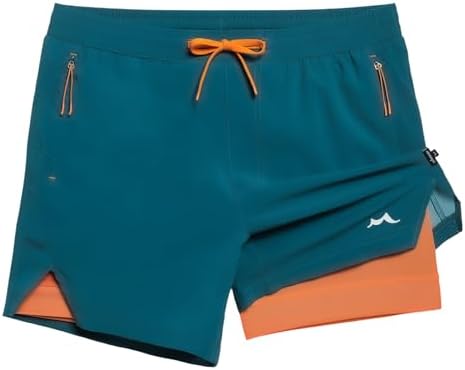
- Built-In Anti-Chafe Liners: California long runs often blend beach sand, coastal mist, and heavy sweat—a recipe for severe friction. High-quality 2-in-1 designs or buttery-soft boxer-brief/mesh liners are essential.
- Ample Storage for Long Distances: With iconic point-to-point routes like the Backbone Trail or Pacific Crest Trail segments, California runners need pocket capacity. Look for shorts with secure zippered back pockets or bounce-free waistbands that can hold phones, gels, and car keys without a bulky hydration vest.
- UV Protection (UPF 50+): The California sun is unforgiving. Shorts featuring built-in UPF ratings offer an extra layer of defense against harmful rays during exposed midday miles.
Top Running Short Styles for Different California Terrains
1. For the Coastal Road Warrior (SoCal Pavement & Beach Paths)
If your routine consists of pounding the pavement from Santa Monica to Venice Beach, you need something lightweight, breathable, and sleek.
- The Vibe: Minimalist, fast-drying, and breezy.
- What to Look For: Shorter inseams (4 to 5 inches) or performance split shorts that offer maximum air circulation. Look to crowd favorites like the Rabbit FKT 5” or classic Nike Stride/AeroSwift lines for an unrestrictive, featherlight stride. www.outsideonline.com
2. For the Trail Master (Northern California & Mountain Ranges)
Tackling the steep, dusty, and technical terrain of Mount Tamalpais or Griffith Park demands rugged durability.
- The Vibe: Tough, pocket-rich, and secure.
- What to Look For: Trail-specific shorts (like the Patagonia Strider Pro or The North Face Summit Series Pacesetter) featuring four-way stretch woven fabrics that won’t snag on brush, alongside multiple drop-in pockets for gels, electrolytes, and safety gear.
3. For the All-Day Adventurer (The 2-in-1 Biker Short Trend)
If you love blending a morning trail run with a post-run trip to a local farmers market or surf check, hybrid styles are your best friend.
- The Vibe: Versatile, supportive, and modest.
- What to Look For: Form-fitting 2-in-1 styles (such as the REI Swiftland 2-in-1 or Janji Pace shorts). These feature a supportive inner compression layer beneath a breezy outer shell, eliminating chafing while providing deep pockets that safely secure your phone while you grab an iced oat-milk latte. Outdoor Gear Lab
Pro-Tips for Surviving a California Sweat Session
- Embrace the “Dawn Patrol”: Beat the heat waves by starting your runs early. However, remember that early morning coastal moisture can feel freezing—opt for lightweight, quick-drying materials that won’t stay damp once the sun breaks through.
- Don’t Skimp on Anti-Chafe Balm: Even the best moisture-wicking shorts can fall victim to salt buildup after a sweaty coastal run. Keep a stick of body glide handy for extra insurance on long weekend efforts.
- Wash Tech Fabrics Properly: Sweat, sunscreen, and sea salt can wreck elastic and technical fibers. Wash your running shorts in cold water on a delicate cycle and always hang them to air dry—never put them in a high-heat dryer, which breaks down the spandex elasticity.
Final Thoughts
The right pair of running shorts should feel like nothing at all, letting you focus entirely on your breath, your pace, and the stunning scenery around you. Whether you’re chasing coastal sunsets or grinding up steep inland fire roads, investing in high-performance, weather-ready gear will keep you cool, comfortable, and miles ahead of the heat.
Men’s Journal
Understanding California’s Climate
California boasts a diverse set of climate zones, each with its unique characteristics that can significantly impact outdoor activities, including running. The state’s climate can generally be categorized into several distinct regions: coastal, inland, and desert areas. Understanding these variations is crucial for runners looking to choose appropriate gear, especially shorts, to accommodate their needs.
The coastal areas, such as San Francisco and Los Angeles, typically experience mild temperatures year-round. The presence of the Pacific Ocean moderated the climate, leading to cool breezes and relatively low humidity levels. During summer, temperatures can range from the mid-60s to mid-70s Fahrenheit, allowing for comfortable running conditions. However, the presence of fog in the mornings can influence visibility and temperature, prompting runners to opt for layers.
Inland regions, including cities such as Sacramento and Fresno, experience a significantly different climate. Summers can be notably hot, with temperatures soaring above 90 degrees Fahrenheit, while winters can be cooler, dropping into the 40s and 50s. While humidity levels are generally low in these areas, the heat can create a need for breathable fabrics when it comes to running shorts. Runners in these zones may benefit from lightweight and moisture-wicking materials that allow for better air circulation and sweat management.
California’s desert regions, including areas like Palm Springs, are characterized by extreme temperature variations. Daytime temperatures in summer can exceed 100 degrees Fahrenheit, while nighttime temperatures can drop significantly. The low humidity in these areas means that runners must be cautious about hydration and sun protection when engaging in outdoor activities. Choosing the right running shorts that provide adequate coverage while allowing for breathability is essential for comfort and performance in such environments.
Understanding the diverse climate of California is essential for selecting suitable running shorts. Each region presents unique challenges that runners must consider to ensure comfort and efficiency while on the trails. By taking into account these climatic factors, runners can make informed decisions about the running gear that best suits their physical activity and environmental conditions.
Importance of Material in Running Shorts
When selecting running shorts, particularly for the diverse climates of California, the choice of material plays a critical role in overall performance and comfort. The most commonly used fabrics in running shorts include polyester, nylon, and spandex, each contributing unique benefits that cater to different weather conditions.
Polyester is a popular choice for running shorts due to its excellent moisture-wicking properties. This synthetic material effectively draws sweat away from the skin, allowing for quick evaporation and keeping the runner dry. In California’s warm climates, where temperatures can soar, polyester helps in maintaining a cooler body temperature, enhancing comfort during extended runs.
Nylon is another fabric often utilized in the construction of running shorts. It is noted for its durability and resistance to abrasions, making it suitable for various terrains and conditions. In addition to its robust nature, nylon also offers a degree of moisture control. While it may not wick moisture as efficiently as polyester, many nylon blends include properties that facilitate breathability. This characteristic is essential when considering the varied temperatures across California, from coastal breezes to inland heat.
Spandex, typically blended with other fabrics, provides a stretchable quality that ensures a comfortable fit and freedom of movement. This elasticity is crucial for runners who require unrestricted motion during their activities. The inclusion of spandex in running shorts allows for dynamic movement without compromising on the fit, adding to the shorts’ overall comfort level.
Ultimately, the material choice in running shorts significantly influences the runner’s experience, especially in a state like California, where weather can vary dramatically. Whether battling the heat or navigating cooler mornings, understanding the properties of each fabric can aid in selecting the most appropriate running gear for enhanced performance and comfort.
Types of Running Shorts Available
When selecting running shorts, it’s essential to understand the different styles available, as they cater to various preferences and conditions. One of the most popular types is the split shorts. These shorts are characterized by their side slits, which allow for enhanced mobility and breathability. They are often favored by competitive runners for their lightweight nature and minimalistic design. However, while they offer great range of motion, some runners may find they provide less coverage compared to other styles.
Another common option is liner shorts. These incorporate a built-in brief for additional support and comfort, making them a practical choice for shorter runs or gym workouts. Liner shorts are often designed with lightweight materials, promoting airflow and reducing chafing during exercise. Nevertheless, the snug fit may not appeal to all runners, particularly those who prefer a looser style.
Compression shorts represent another key category in the market. These shorts fit closely to the body, offering benefits such as muscle support and improved circulation, which can be advantageous during longer runs. Many athletes appreciate the feeling of stability that comes with compression clothing, especially during intense workouts. However, potential downsides include the level of warmth they can provide, which may be less ideal under the sun in climates like that of California.
Choosing the right pair ultimately depends on individual running styles, personal comfort preferences, and the specific weather conditions. Each type of running short has unique advantages and potential drawbacks. It’s essential to try different styles to determine which suits one’s needs best, particularly when considering adaptability to varying climates. By understanding the options available, runners can make informed decisions that enhance their performance and enjoyment.
Key Features to Look for
When selecting running shorts for California’s often hot and sunny weather, certain features are crucial to enhance comfort and performance. One of the primary aspects to consider is the fabric. Look for shorts made from breathable, moisture-wicking materials that help to keep sweat away from the body, providing a cooling effect during intense runs. Fabrics such as polyester or blends that include spandex offer flexibility and promote air circulation, both of which are essential under the California sun.
Pockets are another vital feature to evaluate. Many running shorts are designed with small pockets or zippered compartments to securely hold essentials like keys, energy gels, or even a phone. When running, convenience and security of personal items are paramount. Opt for shorts with pockets that lie flat against the body to avoid chafing, which can be uncomfortable during longer runs.
Waistband style is a significant feature as well. Some shorts come with elastic waistbands, while others have drawstrings or a combination of both. A well-fitting waistband ensures that the shorts stay in place without needing constant adjustment, allowing for a focused performance. High-rise waistbands or those with additional support can also be beneficial for providing a comfortable fit and reducing irritation.
The length of the running shorts is equally important. In general, shorter shorts tend to be cooler and are an excellent choice for hot weather, as they allow for more airflow. However, considering personal preference and body type is essential—some runners may prefer a slightly longer style which can also help in providing additional coverage without compromising on comfort. In California’s varied terrains, finding the right length can aid in preventing overheating and enhance flexibility.
Ultimately, the combination of these features—fabric, pockets, waistband style, and length—plays a crucial role in selecting the right running shorts. Understanding how these elements contribute to an enjoyable running experience can help runners choose appropriate attire for California’s warm climate.
Fit and Comfort: Finding Your Perfect Size
When selecting running shorts, achieving the right fit is essential for both performance and comfort. Properly fitting shorts can significantly enhance your running experience by reducing the risk of chafing and discomfort, particularly during long runs in warm California weather. To find your ideal size, it is crucial to take accurate measurements of your body and understand how different brands may vary in their sizing.
To begin, utilize a measuring tape to assess your waist size, which is the key measurement for running shorts. Wrap the tape snugly around the narrowest part of your waist, taking care not to pull it too tightly. Once you have this measurement, consult the sizing chart of the specific brand you are considering. Different manufacturers often have unique sizing, so it is vital to check this to ensure you are selecting the appropriate size.
In addition to waist size, consider your hip measurement as well. Running shorts that provide ample room around the hips can lead to more significant freedom of movement, especially during vigorous activity. Measure around the fullest part of your hips to obtain this measurement. Likewise, if you are between sizes, it might be beneficial to opt for the larger size for increased comfort.
Investing in well-fitting running shorts can not only improve your performance by allowing for a full range of motion but also help prevent common issues such as chafing, skin irritation, and discomfort that can arise during extended periods of wear. Additionally, choosing shorts with features like moisture-wicking fabrics or built-in liners can further enhance comfort. Thus, it is clear that the importance of fit cannot be overstated when it comes to selecting the right running shorts for your needs.
Popular Brands and Their Offerings
Choosing the right running shorts is vital for performance, especially in California’s diverse climate. Several brands have established themselves in the running apparel industry, known for their dedication to quality and innovation. This section will explore some of the most popular brands and their best-rated shorts for California runners.
1. Nike is a frontrunner in the athletic wear market. Their running shorts are celebrated for a blend of comfort and functionality. The Nike Flex Stride 7-Inch Running Shorts are a favorite among runners, featuring moisture-wicking fabric and a supportive inner lining. These shorts generally retail around $65, offering a good balance between quality and price. Customer feedback often highlights the shorts’ breathability, making them ideal for warm California days.
2. Under Armour also merits attention with its Launch Run Shorts. Priced at approximately $40, these shorts are designed for lightweight comfort and quick drying. The use of UA’s signature fabric enhances their performance, with reviews praising their durability and fit. Runners appreciate the liner’s added support without sacrificing freedom of movement.
3. ASICS caters to runners looking for a combination of style and performance. Their Road 2-In-1 Shorts, priced around $55, offer the practicality of a built-in compression short, which is often favored for longer runs. Feedback from customers reflects satisfaction with their sleek design and functional pockets, making them a great choice for California runners who need storage space for essentials.
4. New Balance presents an excellent selection with their Accelerate 5-Inch Shorts. Retailing at about $45, these shorts are known for their lightweight fabric and comfortable fit. Users frequently highlight their versatility, as they perform well in both casual and competitive running scenarios. The shorts’ moisture-wicking properties are particularly beneficial in hotter weather.
In conclusion, runners in California have a variety of options when selecting the perfect pair of running shorts. Brands such as Nike, Under Armour, ASICS, and New Balance provide well-regarded choices that cater to different preferences, ensuring that every runner can find a product that meets their needs.
Eco-Friendly Options for Conscious Runners
As the awareness of environmental impact continues to grow, the running community is increasingly looking for sustainable options when it comes to gear, particularly running shorts. This transition towards eco-conscious choices can help reduce the carbon footprint associated with athletic apparel without compromising on quality or performance. Sustainable running shorts can be made from various materials that prioritize ecological responsibility while ensuring comfort during runs in California’s diverse climate.
One option that many brands are exploring is the use of recycled plastics. Running shorts crafted from fabrics made from post-consumer plastic bottles not only help divert waste from landfills but also provide moisture-wicking properties essential for runners. Companies like Patagonia and Adidas have pioneered the adoption of such materials within their product lines. Their commitment to using recycled resources illustrates a broader trend in the industry aimed at producing environmentally-friendly products.
Additionally, the production methods used in creating running shorts can heavily influence their sustainability. Brands that implement ethical labor practices and environmentally conscious manufacturing processes contribute positively to the ecosystem. For instance, companies focusing on sustainable production often utilize less water, avoid harmful chemicals, and source materials from renewable or certified suppliers. This ensures that their products, including running shorts, not only serve the current needs of athletes but also uphold a commitment to future generations.
Some noteworthy brands that exemplify this commitment include prAna and Lululemon, which focus on both sustainability and performance. Their offerings include a variety of running shorts designed to perform well in California’s warm temperatures, while also highlighting their dedication to eco-friendly materials and processes.
Conscious runners looking to invest in environmentally-responsible gear can find these options appealing, as they align personal athletic pursuits with a commitment to the planet. In doing so, they not only enhance their own running experience but also contribute towards a larger movement necessary for the preservation of our environment.
Tips for Maintaining Your Running Shorts
Proper care for your running shorts is essential to extend their lifespan and ensure consistent performance during your runs. To maintain the fabric integrity and optimize comfort while running, it’s crucial to follow several key practices focusing on washing techniques, drying methods, and storage recommendations.
When it comes to washing running shorts, always check the care label for specific instructions. Most running shorts are made from moisture-wicking materials that require gentle handling. It is advisable to use cold water for washing to prevent any potential damage to the synthetic fibers. Additionally, opting for a gentle cycle can help minimize wear and tear. Washing your shorts inside out can also protect the outer layer and preserve any reflective materials used for visibility.
Avoid using fabric softeners, as these can leave residues that compromise the moisture-wicking properties of the shorts. Similarly, refrain from using bleach, which can degrade the fabric. Instead, consider a mild detergent specifically designed for sportswear. Washing these garments separately from heavier items, such as towels or jeans, will prevent snagging and reduce friction that can cause pilling.
After washing, the way you dry your running shorts is just as important. Ideally, line drying is the best method, as it is gentler on the fabric and helps maintain its shape. If you choose to use a dryer, select a low heat setting to avoid damaging the fibers. High heat can lead to shrinkage and can break down elastic components over time.
Finally, proper storage of your running shorts plays a significant role in their longevity. Store them in a cool, dry place away from direct sunlight to prevent fading and deterioration. Consider folding them neatly rather than hanging them to maintain their structure. Regular maintenance and proactive care can extend the life of your running shorts, ensuring they remain a reliable piece of gear for your training routine.
Real Runner Reviews and Recommendations
When it comes to selecting the ideal running shorts for the diverse Californian climate, the experiences of local runners can be invaluable. Many have taken the time to share their preferences, illustrating how certain styles and materials perform during both training sessions and races.
One runner from San Diego, Jessica, emphasizes the importance of lightweight and breathable fabrics. She recalls a summer half-marathon where she opted for a pair of running shorts made from moisture-wicking material. “The shorts kept me comfortable and dry, even during the hottest part of the race,” she mentions, underscoring the shorts’ role in her successful run. Her testimonial highlights how essential the right fabric can be in managing California’s warm temperatures.
Similarly, Mark, a marathon runner from Los Angeles, speaks highly of his favorite running shorts, which feature mesh panels for added ventilation. “They allow for airflow without sacrificing coverage, which is crucial on those long runs in the sun, especially in July,” he says. His feedback on the performance of these shorts during extensive training sessions demonstrates the importance of finding a pair that balances comfort and functionality.
Another runner, Elena, shares her anecdote from a long-distance relay race. She chose shorts from a well-known brand that not only provided a snug fit but also incorporated pockets to hold energy gels. “Having the gels easily accessible without compromising my stride was a game-changer,” she reflects, showcasing how personal preferences can vary yet still lead to positive outcomes.
Such testimonials underline the significance of personal experience in choosing the right running shorts in California’s diverse weather conditions. Whether dealing with heat, humidity, or cool mornings, runners’ insights reveal that comfort and practicality are paramount in their selections, affirming that individual needs should guide the decision-making process.